
Updated on April 29, 2026
Surrogates
Surrogate Pregnancy Nutrition: What to Eat and Why It Matters
Pregnancy nutrition matters in any pregnancy — but as a gestational surrogate, you’re carrying a baby for someone else, and what you eat directly affects both the child’s development and your own ability to stay healthy through the full journey.
Getting it right isn’t about following a perfect diet. It’s about knowing which foods actually do something useful, and which habits protect you from the complications that make surrogate pregnancies harder than they need to be.
At Physician’s Surrogacy, the nation’s only OB-managed surrogacy agency, our physicians monitor surrogate health from embryo transfer through delivery — and nutrition is part of that conversation from day one.
This guide covers the foods that matter most during a surrogate pregnancy, the nutrients your body needs more of, and the lifestyle habits that support a healthy outcome for everyone involved. For the full picture of what we look for in a surrogate candidate, see our surrogate requirements page.
 Eggs are one of the most complete protein sources available — they provide all essential amino acids along with choline, which supports fetal brain development.
They’re also easy to prepare in multiple ways, making them practical for a surrogate who needs consistent protein intake without a lot of meal planning overhead.
Eggs are one of the most complete protein sources available — they provide all essential amino acids along with choline, which supports fetal brain development.
They’re also easy to prepare in multiple ways, making them practical for a surrogate who needs consistent protein intake without a lot of meal planning overhead.
 Salmon is among the lowest-mercury options in the seafood category and one of the best dietary sources of DHA. The FDA recommends that pregnant women eat 2–3 servings of low-mercury fish per week.
Salmon, when properly cooked to an internal temperature of 145°F, provides lean protein and omega-3 fatty acids that support the baby’s neurological development.
Salmon is among the lowest-mercury options in the seafood category and one of the best dietary sources of DHA. The FDA recommends that pregnant women eat 2–3 servings of low-mercury fish per week.
Salmon, when properly cooked to an internal temperature of 145°F, provides lean protein and omega-3 fatty acids that support the baby’s neurological development.
 Broccoli is one of the most nutrient-dense vegetables available during pregnancy. It provides folate, iron, calcium, and vitamin C in a single food — a combination that’s hard to replicate from a single source. Folate from food sources supports neural tube development; vitamin C helps with iron absorption from plant-based foods eaten at the same meal.
 Hard cheeses such as cheddar or provolone are generally considered safe during pregnancy and contribute meaningfully to daily calcium needs. Softer cheeses — including brie, camembert, and blue cheese — should typically be avoided unless pasteurized, due to the risk of listeria. Check labels and confirm choices with your physician, particularly early in the pregnancy.
 A pregnant woman needs at least 1,000 mg of calcium per day to support the baby’s developing bones and teeth, normal blood clotting, and healthy nerve function. Calcium is found in dairy products, almonds, dark leafy greens, seafood, and legumes. If dairy isn’t part of your diet, discuss a supplement with your physician.
 Dehydration is a documented trigger for preterm labor and is one of the most preventable risk factors during pregnancy. Water is also the primary mechanism by which nutrients reach the baby. Aim to drink consistently throughout the day — thirst alone isn’t a reliable indicator of hydration status during pregnancy.
 Low-impact activity such as walking or swimming for 30 minutes most days reduces the risk of pregnancy complications, supports healthy weight gain, and improves mood. Prenatal exercise classes are also a practical option. Confirm your activity plan with your physician, particularly if you experienced any complications during prior pregnancies.

Key Takeaways
•Calorie needs don’t increase until the second trimester — additional intake of 400–500 calories daily is typically recommended from around week 13 onward, but your physician should guide your specific target.
•Folic acid, iron, calcium, and protein are the four nutrients that matter most — deficiencies in any of them raise the risk of complications including preterm labor, low birth weight, and neural tube defects.
•Good gut health supports mood stability — probiotics from foods like yogurt and kefir support serotonin production, which matters during the hormonal fluctuations of a surrogate pregnancy.
•Hydration, sleep, moderate exercise, and stress reduction are as important as food — dehydration alone is a documented trigger for preterm labor.
•Always coordinate any dietary supplement or vitamin plan with your physician — not all prenatal vitamins are the same, and some supplements are contraindicated during pregnancy.
How a Healthy Diet Supports a Surrogate Pregnancy
Good surrogate pregnancy nutrition does more than support the baby’s growth — it protects you. Eating well during a surrogate pregnancy lowers the risk of complications, keeps your energy stable through the physical demands of the In Vitro Fertilization (IVF) protocol and pregnancy, and makes recovery after delivery easier. One important clarification: your caloric needs don’t increase during the first trimester. It’s only in the second trimester that most physicians recommend increasing daily intake by 400–500 calories, as the baby’s development accelerates. Speak with your doctor about the right target for your body and your starting weight — this isn’t a one-size number. Eating well through a surrogate pregnancy delivers concrete benefits:- Helps you maintain a healthy pregnancy weight, which makes returning to your pre-pregnancy weight easier after delivery.
- Improves the likelihood that the baby is born at a healthy weight — low birth weight is linked to breathing problems and Neonatal Intensive Care Unit (NICU) stays, while high birth weight increases the likelihood of a C-section.
- Supports the baby’s brain and spinal cord development, and reduces the risk of neural tube defects such as spina bifida.
- Reduces common pregnancy symptoms including morning sickness, constipation, and heartburn.
- Lowers the risk of complications such as gestational diabetes, anemia, preterm labor, and preeclampsia.
10 Foods That Support a Surrogate Pregnancy
These aren’t the only foods worth eating — but each one earns its place because of specific nutritional contributions that matter during pregnancy.1. Beans
Beans are an excellent plant-based protein source that also provides fiber, iron, and folate. They’re gentle on the digestive system and particularly helpful for managing nausea in early pregnancy. The folate content supports neural tube development in the baby’s early weeks.2. Eggs
Eggs are one of the most complete protein sources available — they provide all essential amino acids along with choline, which supports fetal brain development.
They’re also easy to prepare in multiple ways, making them practical for a surrogate who needs consistent protein intake without a lot of meal planning overhead.
3. Nuts
Walnuts and almonds both provide protein and healthy fats in a portable, easy-to-eat form. Walnuts are one of the best plant-based sources of omega-3 fatty acids, though they’re lower in docosahexaenoic acid (DHA) — the omega-3 most directly linked to fetal brain development — than fatty fish. For surrogates who don’t eat fish, a DHA supplement is worth discussing with your physician. Nuts work well as snacks, added to oatmeal, or mixed into salads.4. Salmon
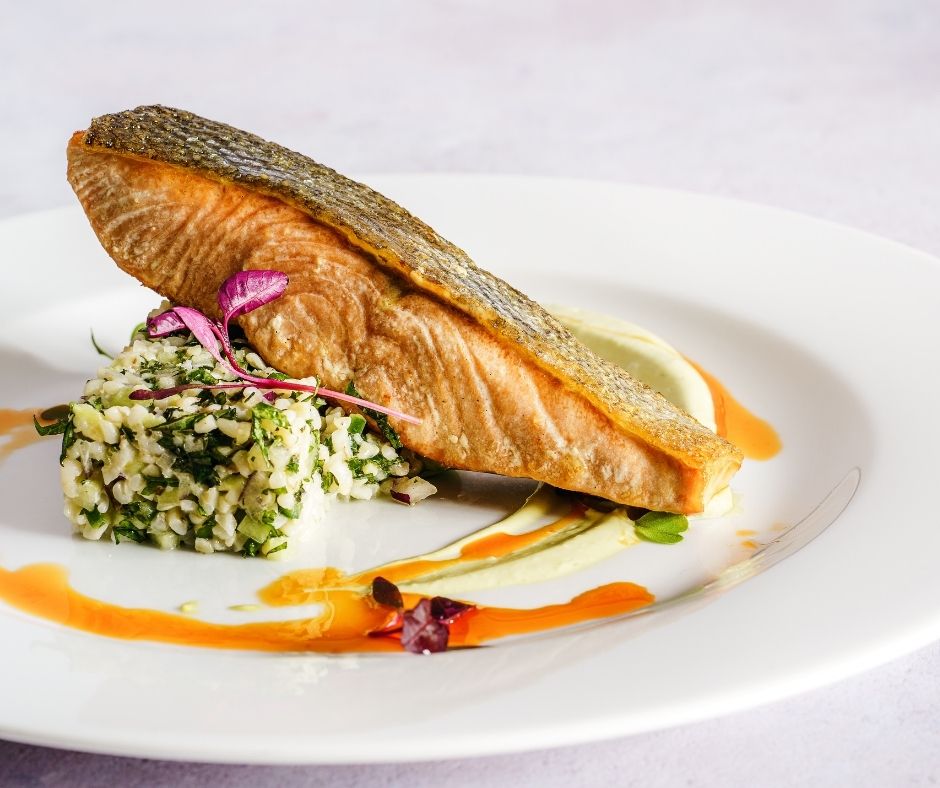
Salmon is among the lowest-mercury options in the seafood category and one of the best dietary sources of DHA. The FDA recommends that pregnant women eat 2–3 servings of low-mercury fish per week.
Salmon, when properly cooked to an internal temperature of 145°F, provides lean protein and omega-3 fatty acids that support the baby’s neurological development.
5. Yam and sweet potato
Both are high in fiber, rich in beta-carotene (which the body converts to vitamin A), and gentle on an upset stomach. Sweet potatoes are versatile — mashed, baked, or roasted — and provide a slower-burning carbohydrate source that helps stabilize blood sugar, which matters for surrogates at risk of gestational diabetes.6. Greek yogurt
Greek yogurt provides calcium and protein in a form that’s easy to digest. It also contains probiotics that support gut health, which connects to mood regulation during pregnancy hormonal shifts. Look for plain, full-fat varieties without added sugar — the protein content is higher and the ingredient list is shorter.7. Broccoli
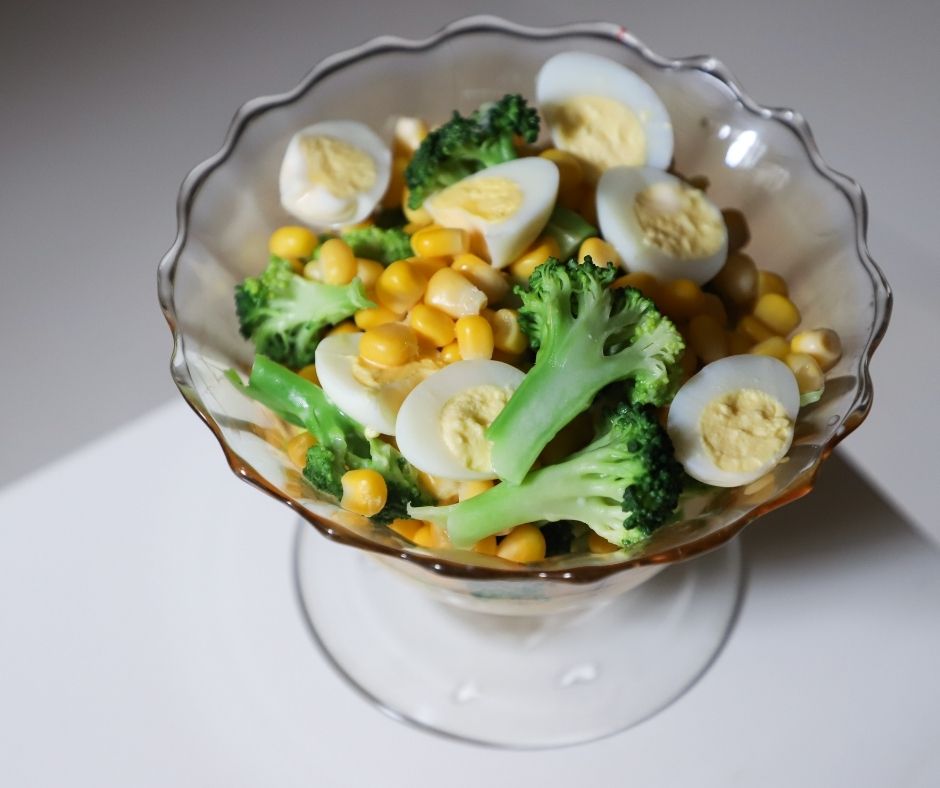
Broccoli is one of the most nutrient-dense vegetables available during pregnancy. It provides folate, iron, calcium, and vitamin C in a single food — a combination that’s hard to replicate from a single source. Folate from food sources supports neural tube development; vitamin C helps with iron absorption from plant-based foods eaten at the same meal.
8. Bananas
Bananas are a practical pregnancy snack — easy to digest, high in potassium and vitamin B6, and helpful for managing nausea. The natural sugars provide quick energy without the spike-and-crash pattern of processed snacks. Potassium supports fluid balance and healthy blood pressure, which matters across all trimesters.9. Cheese
Hard cheeses such as cheddar or provolone are generally considered safe during pregnancy and contribute meaningfully to daily calcium needs. Softer cheeses — including brie, camembert, and blue cheese — should typically be avoided unless pasteurized, due to the risk of listeria. Check labels and confirm choices with your physician, particularly early in the pregnancy.
10. Oatmeal
Oatmeal provides soluble fiber, iron, and complex carbohydrates that support sustained energy and healthy digestion. Constipation is one of the most common pregnancy discomforts — adequate fiber intake from sources like oatmeal is one of the most direct ways to manage it. It’s also a fast, filling breakfast option that requires minimal preparation.Key Nutrients to Prioritize During a Surrogate Pregnancy
Beyond individual foods, these four nutrients deserve specific attention during a surrogate pregnancy. Deficiency in any of them raises the risk of complications.Folic Acid
Folic acid prevents neural tube defects and supports the baby’s early spinal cord and brain development. Dark leafy greens, beans, and fortified foods are good sources. Most prenatal vitamins include folic acid, but dietary sources reinforce the total. Aim for at least four servings of vegetables and two to four servings of fruit daily.Iron
Pregnant women need approximately 27 mg of iron per day — roughly double the non-pregnant requirement. Iron supports red blood cell production and reduces the risk of anemia, which causes fatigue and can complicate delivery. Whole grains, lean meats, leafy greens, and legumes are all good sources. Pair plant-based iron sources with vitamin C to improve absorption.Calcium
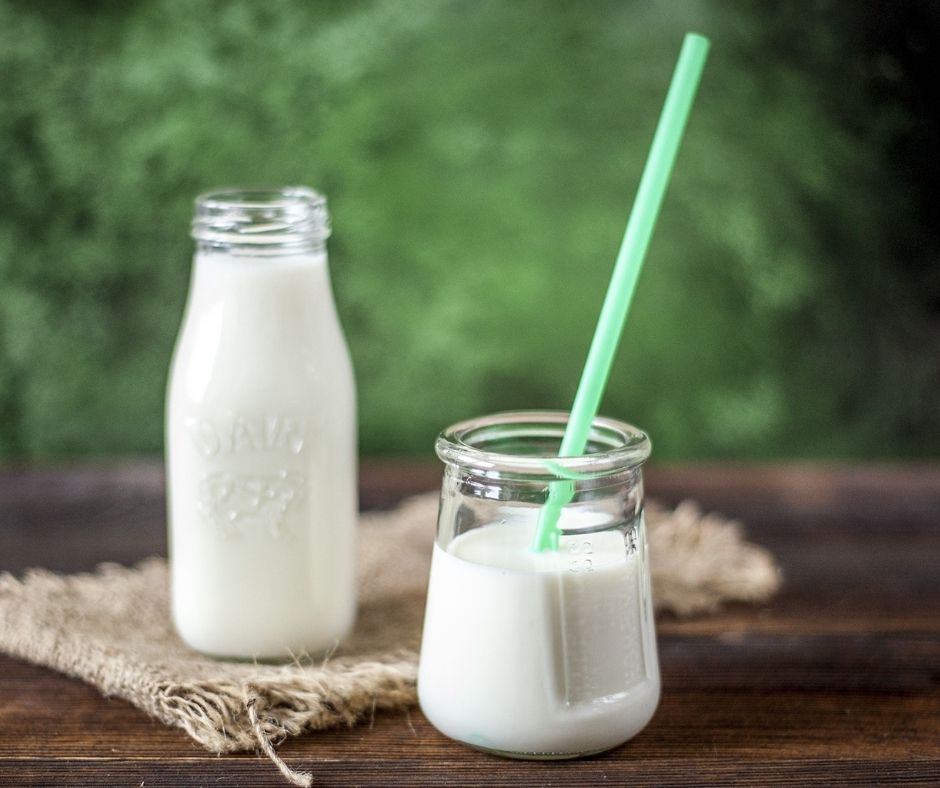
A pregnant woman needs at least 1,000 mg of calcium per day to support the baby’s developing bones and teeth, normal blood clotting, and healthy nerve function. Calcium is found in dairy products, almonds, dark leafy greens, seafood, and legumes. If dairy isn’t part of your diet, discuss a supplement with your physician.
Probiotics
Gut health has a direct relationship with mood — the gut produces most of the body’s serotonin, the hormone associated with emotional stability. For surrogates managing hormonal fluctuations during pregnancy, including probiotic-rich foods like yogurt, kefir, and naturally fermented vegetables supports both digestive comfort and mood regulation throughout the journey.Other Healthy Habits During a Surrogate Pregnancy
Nutrition is the foundation, but it doesn’t work in isolation. These habits reinforce what you’re eating and protect against complications that diet alone can’t prevent.Stay hydrated
Dehydration is a documented trigger for preterm labor and is one of the most preventable risk factors during pregnancy. Water is also the primary mechanism by which nutrients reach the baby. Aim to drink consistently throughout the day — thirst alone isn’t a reliable indicator of hydration status during pregnancy.
Prioritize sleep
Aim for at least eight hours per night. After the first trimester, sleep on your side rather than your back — lying on your back can restrict blood flow to the baby and cause dizziness. Left-side sleeping is often recommended because it improves circulation, though either side is generally considered safe.Manage stress actively
Surrogacy involves real emotional complexity alongside the physical demands of pregnancy. Hormonal changes during the surrogate pregnancy can amplify stress and mood shifts. Strategies that consistently help include meditation, prenatal yoga, deep breathing exercises, and regular counseling with a mental health professional who understands the surrogacy context. Your coordinator can provide referrals.Stay physically active
Low-impact activity such as walking or swimming for 30 minutes most days reduces the risk of pregnancy complications, supports healthy weight gain, and improves mood. Prenatal exercise classes are also a practical option. Confirm your activity plan with your physician, particularly if you experienced any complications during prior pregnancies.
Remove harmful substances
Alcohol, recreational drugs, and tobacco must be completely eliminated during a surrogate pregnancy — this is standard in every surrogacy agreement and non-negotiable for the health of the baby. Avoid exposure to chemicals, pesticides, and other environmental hazards that can interfere with fertility medications or fetal development. If you’re uncertain whether a specific substance or medication is safe, ask your physician before continuing use.Attend all prenatal appointments
Regular prenatal check-ups allow your physician to monitor the baby’s development, catch complications early, and adjust your care plan as needed. At Physician’s Surrogacy, our OB/GYN team stays in communication with your delivering physician throughout the pregnancy — so any concern gets a clinical response, not just a coordinator check-in. Keep your medical team informed about your diet, supplements, and any symptoms as they arise.Surrogate Pregnancy Nutrition Starts Before You Apply
Gestational surrogacy is one of the most medically sophisticated ways a family can be built — and one of the most human. The physical commitment you make as a surrogate begins before the embryo transfer, and the nutritional habits you build now carry directly into the pregnancy. At Physician’s Surrogacy, our in-house OB/GYNs oversee surrogate health from the first screening through post-delivery support — including ongoing guidance on nutrition and pregnancy wellness. If you’re considering surrogacy and want to understand what physician-managed care actually looks like throughout the journey, our become a surrogate page covers the full process. When you’re ready to find out whether you qualify, the surrogate application is the right starting point.Frequently Asked Questions
Do surrogates need to eat differently than in a regular pregnancy? +
The nutritional needs are largely the same, but the context differs. A surrogate is also managing IVF medications and the unique emotional dimensions of carrying a baby for someone else. Physician oversight throughout the pregnancy helps tailor guidance to the surrogate’s specific health history.
When should a surrogate increase calorie intake? +
Calorie needs typically don’t increase in the first trimester. Most physicians recommend adding 400–500 calories per day from the second trimester onward. The exact amount depends on your starting weight and activity level — confirm the target with your physician.
Is it safe to eat fish during a surrogate pregnancy? +
Yes — the FDA recommends 2–3 servings of low-mercury fish per week during pregnancy. Salmon, sardines, and trout are among the safest options and provide beneficial DHA. Avoid high-mercury fish including swordfish, shark, king mackerel, and bigeye tuna.
Should surrogates take prenatal vitamins? +
Yes, but the specific formulation should be confirmed with your physician. Prenatal vitamins vary significantly in folic acid, iron, and DHA content. Some supplements are contraindicated during pregnancy. Start this conversation before your transfer, not after.
Can nutrition reduce the risk of gestational diabetes for a surrogate? +
It can reduce the risk, not eliminate it. Managing blood sugar through whole foods, fiber-rich carbohydrates, and limiting refined sugar lowers gestational diabetes risk. Women with a history of gestational diabetes should discuss a tailored plan with their physician before the surrogate pregnancy begins.
!
Medical Disclaimer
The information in this article is for educational purposes only and does not constitute medical advice. Always consult your prescribing physician and your medical team regarding nutrition, supplementation, and pregnancy safety.
Like our expert-backed information?
Add us to your preferred news source on Google and get the latest surrogacy updates on your feed.

Julianna Nikolic
Chief Strategy Officer Julianna Nikolic leads strategic initiatives, focusing on growth, innovation, and patient-centered solutions in the reproductive sciences sector. With 26+ years of management experience and a strong entrepreneurial background, she brings deep expertise to advancing reproductive healthcare.